Manual releases often depend on a sequence of steps that only a few developers know. A forgotten command, a missing configuration value, or an untested change can turn a routine update into an outage. Continuous integration and delivery help replace that uncertainty with a repeatable process.
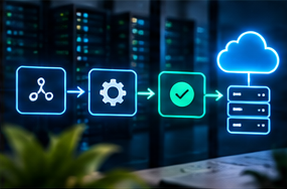
A basic pipeline can install dependencies, run automated tests, check code quality, build the application, and prepare a deployment artifact. More mature pipelines may run security scans, database migration checks, and integration tests. The goal is to catch problems early, when they are easier to understand and fix.
Deployment automation should include safeguards. Environment-specific secrets must be managed securely, and teams need a clear rollback or recovery procedure. Staged rollouts and health checks can reduce the impact of unexpected behavior. Automation is not a substitute for monitoring; it makes monitoring and response more consistent.
The business benefit is not simply faster releases. It is the ability to deliver smaller changes with greater confidence. When deployment is routine rather than stressful, teams can respond to feedback sooner and spend less time coordinating avoidable release problems.