
Changing a database or moving an application to a new environment can be necessary for performance, reliability, or long-term maintenance. It can also be risky: business data may contain inconsistent formats, undocumented relationships, and years of historical exceptions. A successful migration starts with understanding what exists, not with copying tables.
Audit the current schema, identify dependencies, and define which records must be preserved. Decide how identifiers, timestamps, permissions, and historical events will be handled in the destination. Data-cleaning rules should be documented and tested on representative samples. The team also needs a clear definition of success, including record counts and business-level checks.
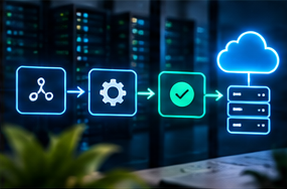
For systems that cannot tolerate long downtime, consider staged migration. New data can be synchronized while the destination is tested, followed by a carefully planned cutover. Backups and a rollback strategy should be prepared before any production change. Rehearsing the procedure in a realistic environment helps reveal hidden assumptions.
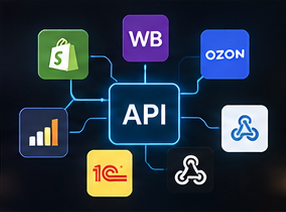
After migration, verify more than whether the application starts. Check financial totals, user access, integrations, reports, and the workflows employees rely on daily. The goal is not simply to move bytes; it is to preserve trust in the system while creating a stronger technical foundation.